July 1, 2026
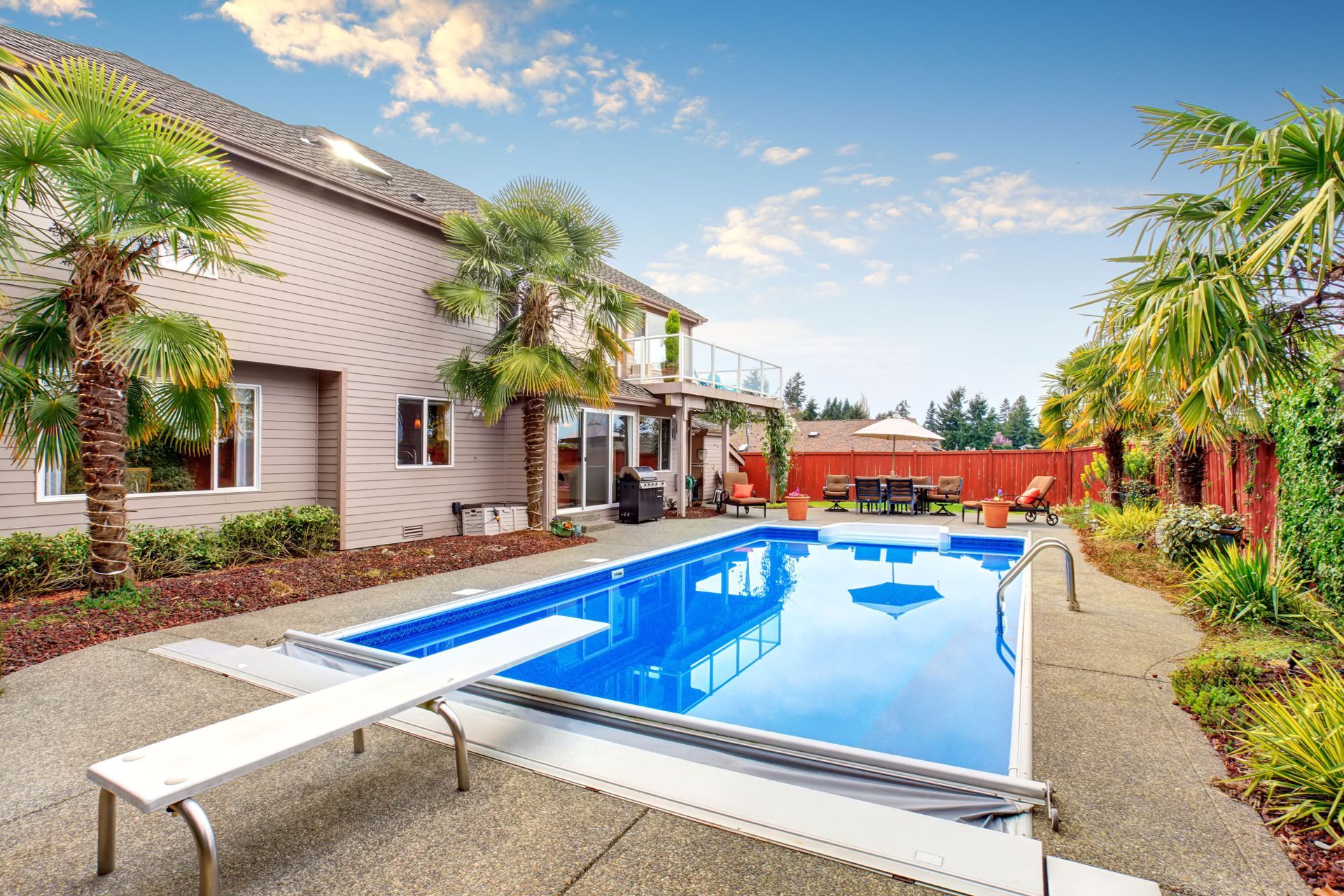
Creating a backyard pool is about much more than excavating a hole and filling it with water. A thoughtfully designed pool should complement your property's layout, support your lifestyle, and provide lasting value for years to come. Every property presents unique opportunities and challenges, which is why careful planning is essential before construction begins.
Working with an experienced swimming pool contractor allows homeowners to transform their outdoor spaces into personalized retreats. Through detailed consultations, site evaluations, and customized design planning, professionals can create a pool that balances aesthetics, functionality, and long-term durability.
Evaluating the Property and Understanding the Homeowner's Goals
Assessing Site Conditions and Available Space
The design process begins with a thorough evaluation of the property. Before any plans are drafted, a swimming pool contractor examines the available space, topography, drainage patterns, and existing landscape features. These factors influence everything from the pool's size and shape to its placement within the yard.
A level lot may offer more flexibility in terms of design options, while sloped properties may require retaining walls, grading work, or other structural considerations. Nearby trees, utility lines, easements, and access points also affect the construction process. By identifying these conditions early, designers can develop plans that maximize the property's potential while avoiding costly surprises later.
In addition to physical characteristics, local building regulations must be considered. Setback requirements, fencing rules, and permit requirements can influence the final design. Experienced professionals understand how to navigate these regulations and incorporate them into the planning process from the beginning.
Identifying Lifestyle Needs and Preferences
Every homeowner envisions using a pool differently. Some families prioritize recreation and entertaining, while others seek a peaceful environment for relaxation and exercise. Understanding these goals helps shape the overall design strategy.
A swimming pool contractor will often discuss how many people are expected to use the pool regularly, whether children will be swimming, and what activities the homeowners enjoy most. These conversations provide valuable insight into the features that will deliver the greatest satisfaction over time.
For example, a homeowner who enjoys hosting gatherings may benefit from expansive deck space, integrated seating, and areas designed for social interaction. Someone focused on fitness may prefer a longer swimming area that accommodates exercise routines. Tailoring the design to these preferences ensures the finished project aligns with the homeowner's vision.
Determining Appropriate Dimensions and Depth
Pool size and depth must be carefully balanced to suit both the property and the intended use. Larger pools are not always better. Instead, successful designs make efficient use of available space while maintaining visual harmony with the surrounding environment.
According to HomeGuide, many residential in-ground pools measure between 300 and 400 square feet, with deep ends commonly reaching six to seven feet. These dimensions often provide a practical balance between recreational use, maintenance requirements, and construction costs.
During the planning phase, designers evaluate how much swimming area is needed without overwhelming the backyard. Proper sizing allows the pool to function effectively while preserving room for landscaping, patios, outdoor kitchens, and other amenities that contribute to a complete outdoor living experience.
Creating a Design That Complements the Home
Selecting a Pool Shape That Matches the Property
Once site conditions and homeowner goals have been established, the next step involves choosing an appropriate pool shape. The shape plays a significant role in how the pool integrates with the home's architecture and surrounding landscape.
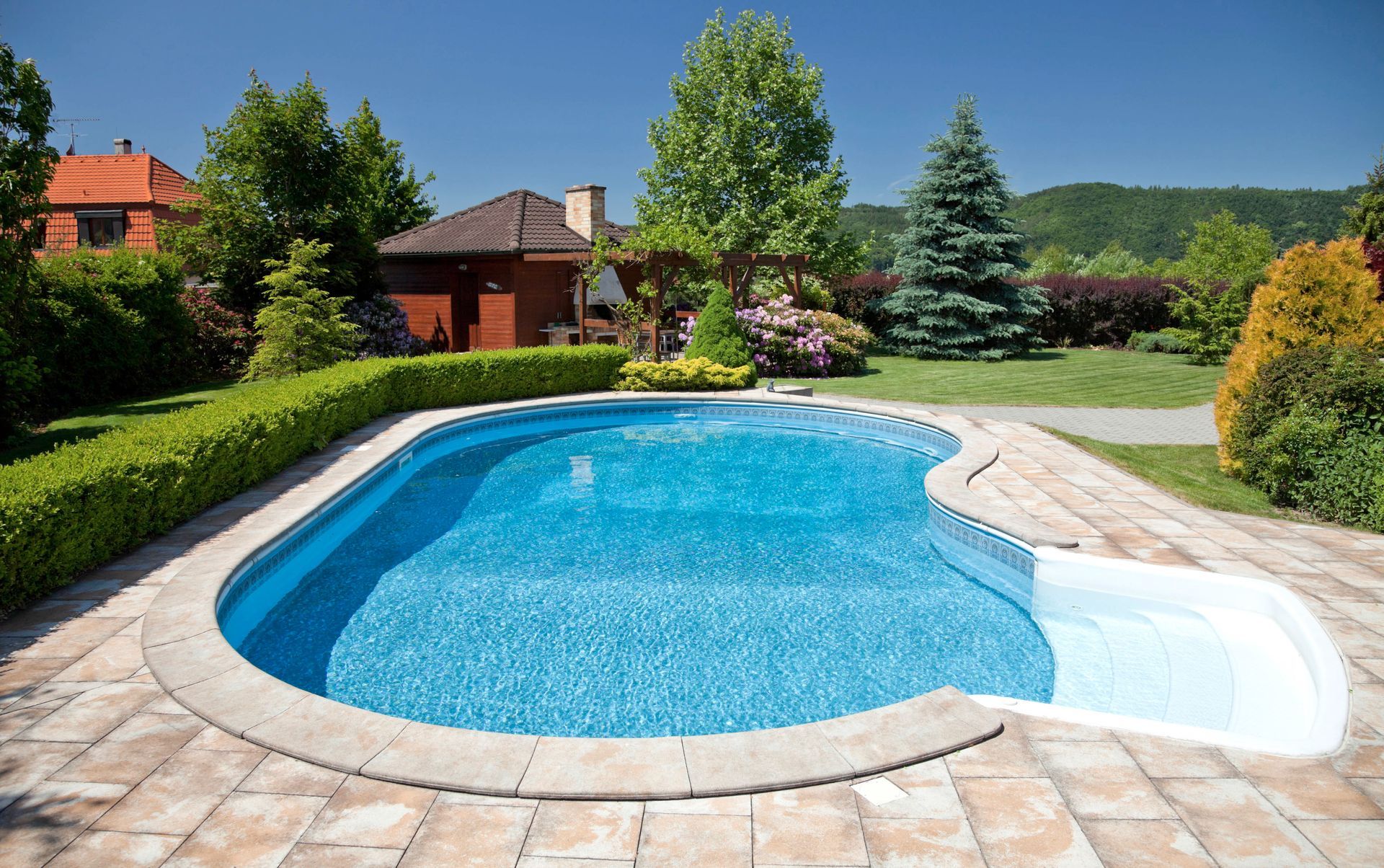
Rectangular pools often complement contemporary and traditional homes due to their clean lines and timeless appearance. Freeform pools create a more natural aesthetic and can soften the appearance of angular structures. Custom geometric designs may provide unique visual interest while accommodating specific property constraints.
A skilled swimming pool contractor evaluates the architectural style of the home to ensure the pool appears as a natural extension of the property rather than an unrelated addition. This cohesive approach contributes to a more polished and visually appealing outdoor environment.
Incorporating Functional Features and Amenities
Beyond the pool itself, many homeowners choose to include features that enhance comfort, convenience, and enjoyment. These additions help transform a basic pool into a destination for recreation and relaxation.
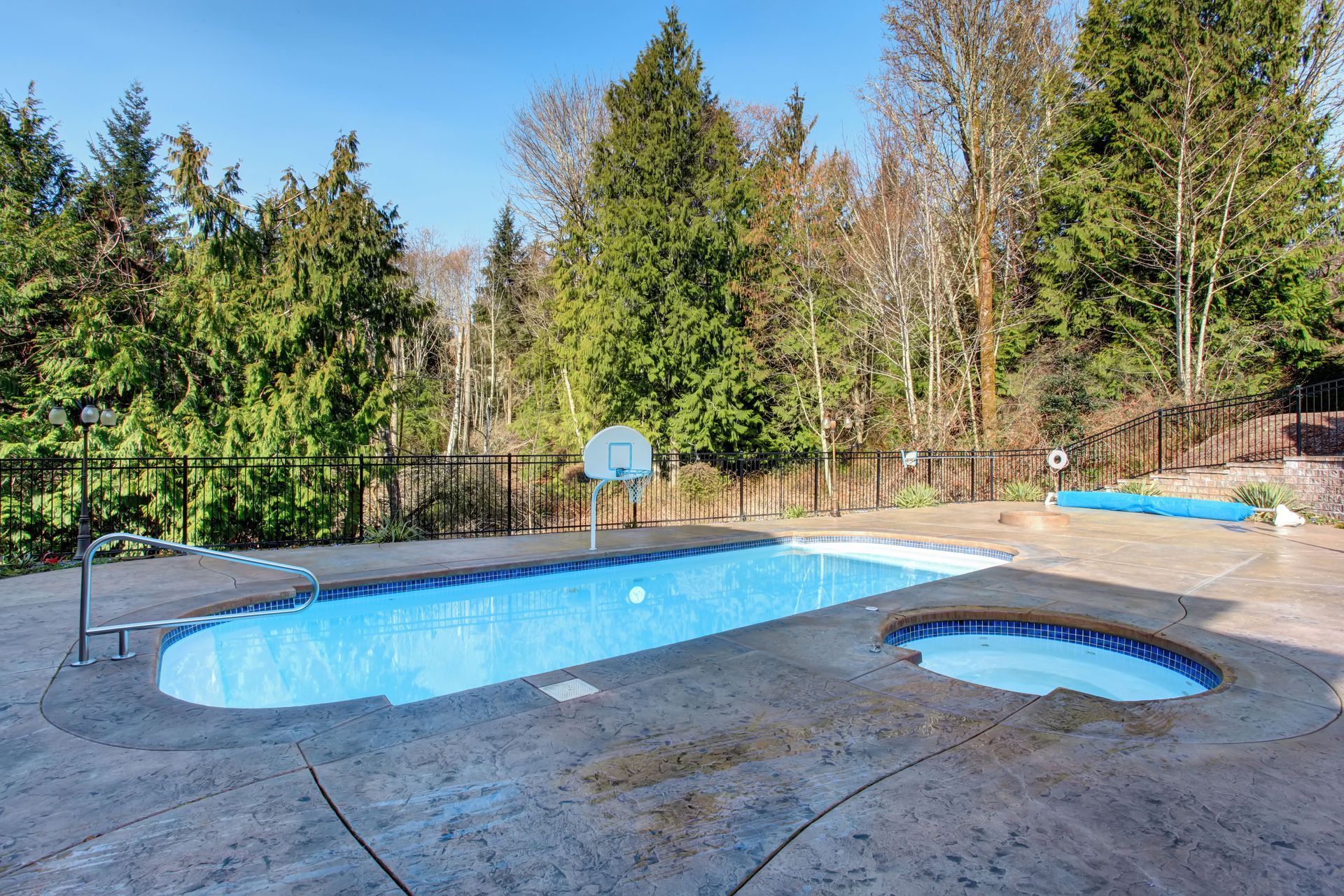
Built-in spas remain a popular option because they provide year-round enjoyment and create a seamless transition between therapeutic relaxation and swimming activities. Waterfalls, fountains, tanning ledges, and integrated seating can also enhance the overall experience while adding visual appeal.
The selection of these features depends on both personal preferences and available space. Designers carefully evaluate how each element will function within the broader layout to ensure the final result feels balanced rather than overcrowded. Thoughtful integration allows every component to contribute meaningfully to the overall design.
Designing the Surrounding Outdoor Environment
A pool is only one component of a successful backyard retreat. The surrounding environment plays an equally important role in determining how the space functions and feels.
Patios, walkways, shade structures, landscaping, and gathering areas must all work together cohesively. Designers often consider traffic flow throughout the yard to ensure easy movement between various outdoor spaces. Comfortable seating areas and entertainment zones can encourage greater use of the backyard throughout the year.
The materials selected for decking and hardscaping also influence the project's appearance. Natural stone, decorative concrete, and pavers each offer distinct aesthetic qualities that can complement different architectural styles. By coordinating these elements carefully, the overall outdoor environment becomes more inviting and functional.
Planning for Long-Term Performance and Value
Prioritizing Durability and Construction Quality
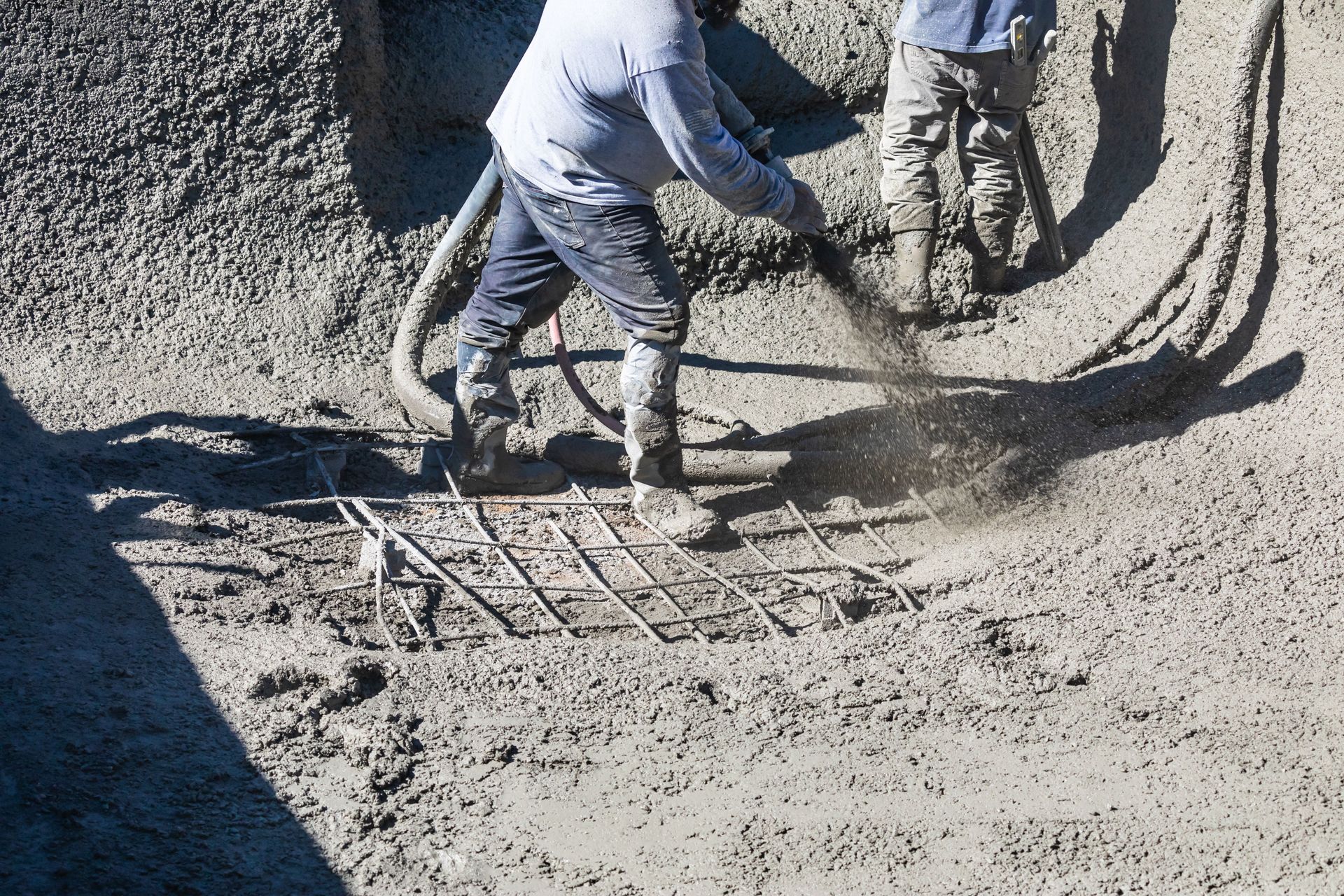
A beautiful design must also be built to withstand years of use and environmental exposure. Long-term performance begins with proper engineering, quality materials, and skilled craftsmanship throughout the construction process.
An experienced swimming pool contractor understands how soil conditions, drainage patterns, and structural requirements affect the longevity of the installation. Addressing these factors during planning helps prevent future issues that could compromise the pool's performance.
Material selection is equally important. Finishes, decking materials, coping, and structural components should be chosen with durability in mind. Investing in quality materials during construction often reduces maintenance needs and repair expenses over the life of the pool.
Considering Maintenance and Practical Use
Design decisions can significantly affect how easy a pool is to maintain. A well-designed pool not only looks attractive but also supports efficient upkeep and everyday usability.
The placement of equipment, accessibility of service areas, and configuration of pool features all influence maintenance requirements. Designers consider these practical factors during the planning process to help homeowners enjoy their pools with fewer complications.
Traffic patterns around the pool are also important. Adequate deck space, convenient entry points, and comfortable gathering areas contribute to a safer and more enjoyable experience. Practical considerations often have as much impact on long-term satisfaction as visual aesthetics.
Maximizing Property Value and Future Enjoyment
A professionally designed pool can enhance both the enjoyment of a property and its overall appeal. While personal enjoyment is typically the primary motivation for installation, thoughtful design decisions can also contribute to long-term value.
A swimming pool contractor evaluates how the project fits within the broader context of the property. Pools that complement the home's architecture and integrate seamlessly with outdoor living areas tend to create a stronger overall impression.
Future needs should also be considered during planning. Families may grow, entertaining habits may change, and outdoor spaces often evolve. Designing with flexibility in mind allows the pool to remain functional and enjoyable for many years. This forward-thinking approach helps ensure that the investment continues to deliver value long after construction is complete.
Designing the ideal backyard pool requires careful attention to property conditions, homeowner preferences, architectural compatibility, and long-term functionality. Every decision, from selecting the pool shape to planning surrounding outdoor features, contributes to the success of the finished project.
Partnering with a knowledgeable swimming pool contractor helps ensure that each stage of the design process is handled with expertise and precision. With thoughtful planning and quality construction, homeowners can enjoy a custom pool that enhances their property, supports their lifestyle, and creates a welcoming outdoor environment for years to come.
If you're looking for a reputable swimming pool contractor that can tailor their services to your property's needs, reach out to OceanBlu Pool & Patio!