March 12, 2026
A swimming pool is more than just a backyard feature; it is a central hub for relaxation, exercise, and social gatherings. Over time, however, wear and tear can take a toll on both the functionality and aesthetics of a pool. Pool renovations are often necessary to preserve safety, enhance appearance, and maintain property value. Understanding the common indicators that your pool may require renovation is essential for every homeowner. From structural damage to modern upgrades, recognizing these signs ensures your pool remains a pleasurable and safe space.
How Do You Know When Your Pool Needs Renovations?
Determining when your pool requires attention goes beyond mere cosmetic concerns. There are subtle and obvious indicators that your pool may be in need of professional renovation services. Homeowners often notice issues such as chipped plaster, leaking water, uneven surfaces, or outdated features. While minor problems can sometimes be addressed with routine maintenance, consistent signs of wear usually point toward the need for comprehensive pool renovations.
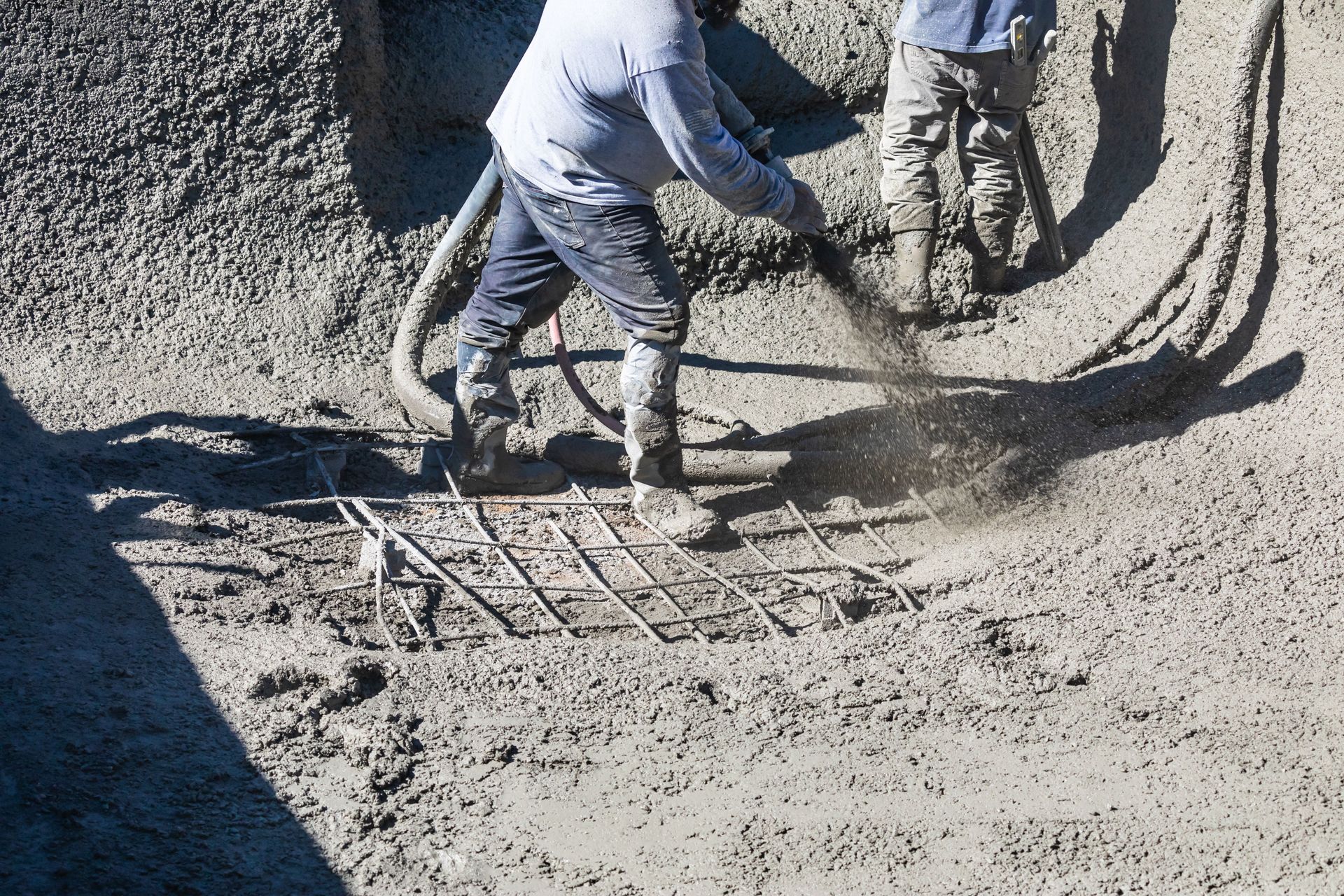
According to AQUA Magazine, the typical builder now completes 32.5 pool renovations annually, with resurfacing gunite being the most common renovation task. This statistic highlights the widespread need for periodic updates and structural improvements. Gunite, a type of concrete commonly used in pools, can develop cracks, rough textures, or fading over time, making resurfacing a critical component of renovation projects.
Another way to identify the need for pool renovations is by monitoring water quality. Persistent chemical imbalances, algae growth, or cloudy water despite proper maintenance can indicate underlying issues with filtration systems, plumbing, or surface integrity. Addressing these problems through renovation not only restores aesthetic appeal but also safeguards the health and safety of swimmers.
Recognizing Common Signs of Damage in a Swimming Pool
Physical damage is one of the most evident signs that a pool requires renovation. Cracks in the pool walls or floor, peeling plaster, or damaged tiles are common issues in older pools. Even minor cracks can worsen over time due to water pressure and environmental factors, potentially leading to leaks or structural instability.
Leaks are another critical indicator. If you notice a sudden drop in water levels that cannot be explained by evaporation, the pool shell, plumbing, or fittings likely need repair. Ignoring leaks can result in costly water damage to the surrounding landscape or foundation.
Tile deterioration is also a frequent problem in aging pools. Loose or missing tiles not only compromise the appearance but can also create safety hazards. Similarly, outdated coping, cracked decks, or worn-out plaster surfaces are signs that pool renovations are necessary to restore both beauty and functionality.
In addition to structural issues, equipment failure often signals the need for renovations. Pumps, heaters, and filtration systems have finite lifespans. When equipment becomes inefficient or unreliable, integrating new technologies during pool renovations can improve energy efficiency, reduce maintenance costs, and enhance overall usability.
Choosing the Best Time of the Year to Do Pool Renovations?
Timing plays a crucial role in planning pool renovations. While renovation projects can technically be undertaken at any time, the best results are typically achieved during the off-season or when pool usage is minimal. Spring and early fall are often ideal because weather conditions are moderate, and contractors can schedule work without interrupting peak swimming seasons.
Planning renovations before summer ensures that your pool is ready for maximum enjoyment when temperatures rise. Completing projects during cooler months also provides contractors with more flexibility and may reduce labor costs due to lower seasonal demand. Additionally, performing renovations during the off-season allows materials such as plaster, tiles, and decking to cure properly, ensuring durability and long-term performance.
Homeowners should also consider the complexity of the renovation when scheduling. Extensive structural repairs, such as gunite resurfacing, may require more drying and curing time, making timing a critical factor in achieving high-quality results. Proper planning ensures minimal disruption and a smoother renovation process.
Understanding How Renovations Impact the Value of Your Home
Investing in pool renovations can have a significant effect on the overall value of your property. A well-maintained, aesthetically pleasing pool enhances curb appeal, increases the desirability of your home, and can positively influence resale value. Buyers are often willing to pay a premium for properties with updated, functional pools that require minimal maintenance.
Modern pool renovations also allow homeowners to integrate energy-efficient systems, automated controls, and eco-friendly features. These upgrades not only reduce long-term operating costs but also appeal to environmentally conscious buyers. Renovations that improve safety, such as anti-slip surfaces, updated fencing, and better lighting, further enhance property value by addressing both aesthetic and practical concerns.
Even small updates can have a noticeable impact. Fresh plaster, modern tiles, or new decking materials can transform the overall look of a pool, making it a central feature rather than a neglected one. These improvements not only make daily use more enjoyable but also increase the perceived value of the home.
Recognizing the Latest Trends and Technologies in Pool Renovations
The pool renovation industry has evolved dramatically in recent years, offering homeowners an array of innovative features and materials. Modern design trends emphasize natural aesthetics, low-maintenance surfaces, and energy efficiency. Homeowners are increasingly opting for features such as saltwater systems, LED lighting, and automated cleaning technologies to enhance convenience and reduce ongoing costs.
Smart pool technologies have also gained popularity. Automated chemical monitoring systems, app-controlled pumps, and remote access heating solutions allow for precise management of pool conditions with minimal effort. These technologies make it easier for homeowners to maintain optimal water quality and safety while saving time and energy.
Aesthetic upgrades have become just as important as functional improvements. Popular trends include infinity edges and natural stone finishes. Combining visual appeal with durability ensures that pool renovations provide lasting benefits. Pool designers are now using a mix of materials such as quartz, glass tiles, and high-performance plaster to create luxurious and long-lasting finishes.
Planning and Budgeting for Pool Renovations
Before undertaking a pool renovation, it is essential to plan carefully and set a realistic budget. Homeowners should assess both the current condition of their pool and the desired improvements. Consulting a professional contractor ensures that all necessary repairs, resurfacing tasks, and modern upgrades are considered.
Budgeting for pool renovations involves accounting for materials, labor, and potential unforeseen costs. While some renovations, such as resurfacing gunite or replacing tiles, are relatively straightforward, other projects may involve structural reinforcement, plumbing updates, or equipment replacement. Allocating funds for unexpected issues ensures that the renovation process is not interrupted or delayed.
Additionally, homeowners should research multiple contractors to obtain competitive estimates and verify experience with specific renovation tasks. Experienced contractors can recommend design enhancements, suggest modern technologies, and help prioritize updates based on both cost-effectiveness and long-term value.
Maintaining Your Pool Post-Renovation
Completing pool renovations is only part of the process; maintaining your pool afterward is equally important. Proper upkeep preserves both the aesthetic and functional benefits of renovations. Regular inspections, water testing, and equipment maintenance prevent minor issues from escalating into significant problems.
Homeowners should follow manufacturer recommendations for pumps, heaters, and filtration systems to maximize efficiency and longevity. Keeping up with seasonal cleaning, chemical balance, and surface inspections ensures that the pool remains safe, inviting, and visually appealing. By investing in both renovations and ongoing maintenance, you can enjoy the full benefits of a modernized, well-functioning pool for years to come.
Recognizing the signs that your pool requires attention is key to preserving its value, functionality, and beauty. From visible structural damage to equipment inefficiencies and aesthetic updates, pool renovations address a wide range of concerns. According to AQUA Magazine, builders typically complete over 30 renovations each year, with resurfacing gunite being a top priority, underscoring how common and necessary these updates are.
By understanding when renovations are needed, planning projects strategically, and leveraging modern trends and technologies, homeowners can ensure that their pools remain a central feature of enjoyment and relaxation. Whether upgrading equipment, resurfacing gunite, or modernizing the overall design, timely
pool renovations enhance safety, efficiency, and visual appeal, creating a lasting oasis in your backyard. If you require pool repairs, reach out to the team at OceanBlu Pool & Patio today!